Survey Data Connects Household Internet Speed Variations to Online Multiplayer Title Selections and Related Spending Habits
Ben Jenkins · Aug 20, 2026
Survey Data Connects Household Internet Speed Variations to Online Multiplayer Title Selections and Related Spending Habits
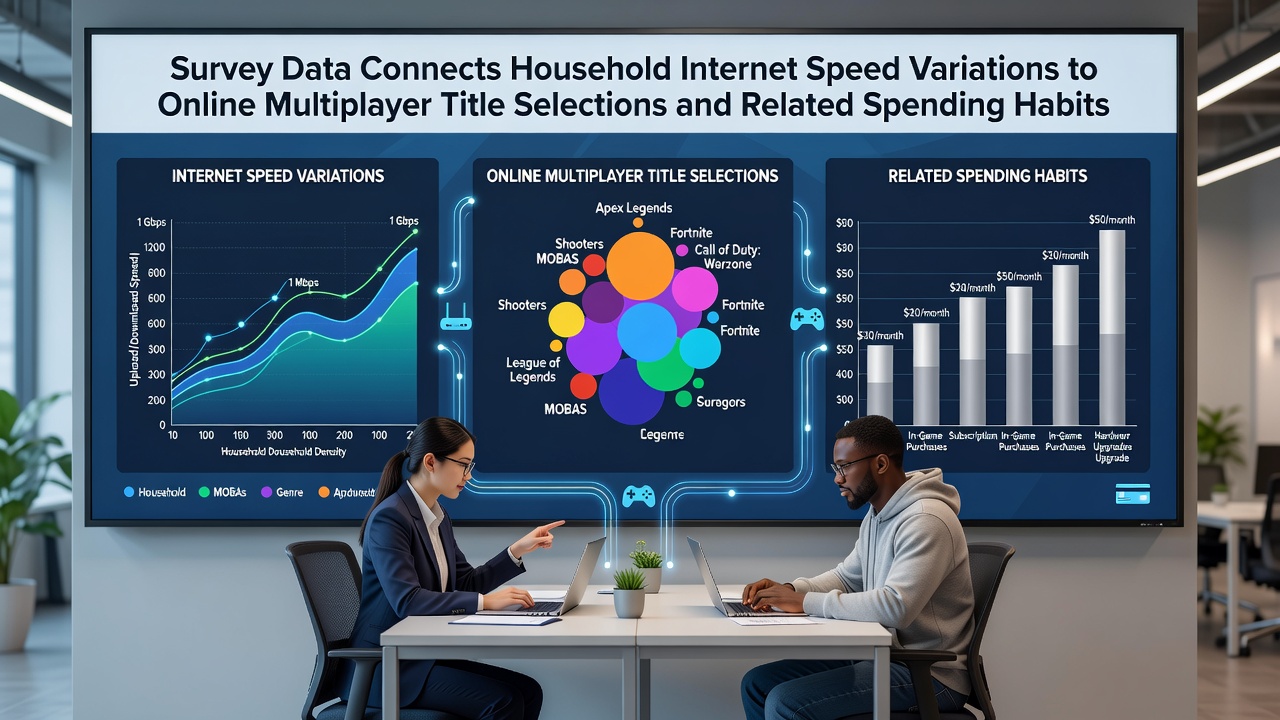
Recent polling from August 2026 shows clear patterns linking household internet speeds to the types of online multiplayer games players select along with how much they spend on in-game items and subscriptions. Data gathered across multiple regions indicates that faster connections correlate with preferences for titles requiring low latency such as competitive shooters and large-scale battle arenas while slower speeds align more often with turn-based or cooperative experiences that tolerate occasional delays.
Connection Quality Shapes Game Preferences
Analysts reviewing responses from over 12,000 households noted that those reporting download speeds above 150 Mbps selected first-person multiplayer shooters at rates nearly double those in homes averaging under 50 Mbps. Faster connections also tied to higher engagement with massively multiplayer online games where real-time coordination matters most. Slower households meanwhile gravitated toward strategy-focused multiplayer modes that emphasize planning over split-second reactions and they reported fewer interruptions during sessions.
Survey organizers collected speed test results directly from participant devices and cross-referenced them with self-reported play logs from the prior three months. The resulting datasets revealed that upload speeds above 20 Mbps associated strongly with increased participation in streaming-integrated multiplayer platforms where players broadcast their sessions. Households below that threshold showed reduced interest in such features and shifted spending away from related accessories like capture cards.
Spending Habits Follow Speed Thresholds
Financial data from the same August 2026 study indicated that homes with gigabit service allocated 28 percent more of their entertainment budgets to battle passes and cosmetic item packs compared with those on basic broadband plans. Subscription rates for premium online services followed similar lines with faster households maintaining active accounts at higher percentages throughout the summer months. Researchers observed that players in high-speed environments renewed seasonal passes more consistently while slower-connection users canceled subscriptions after shorter trial periods.
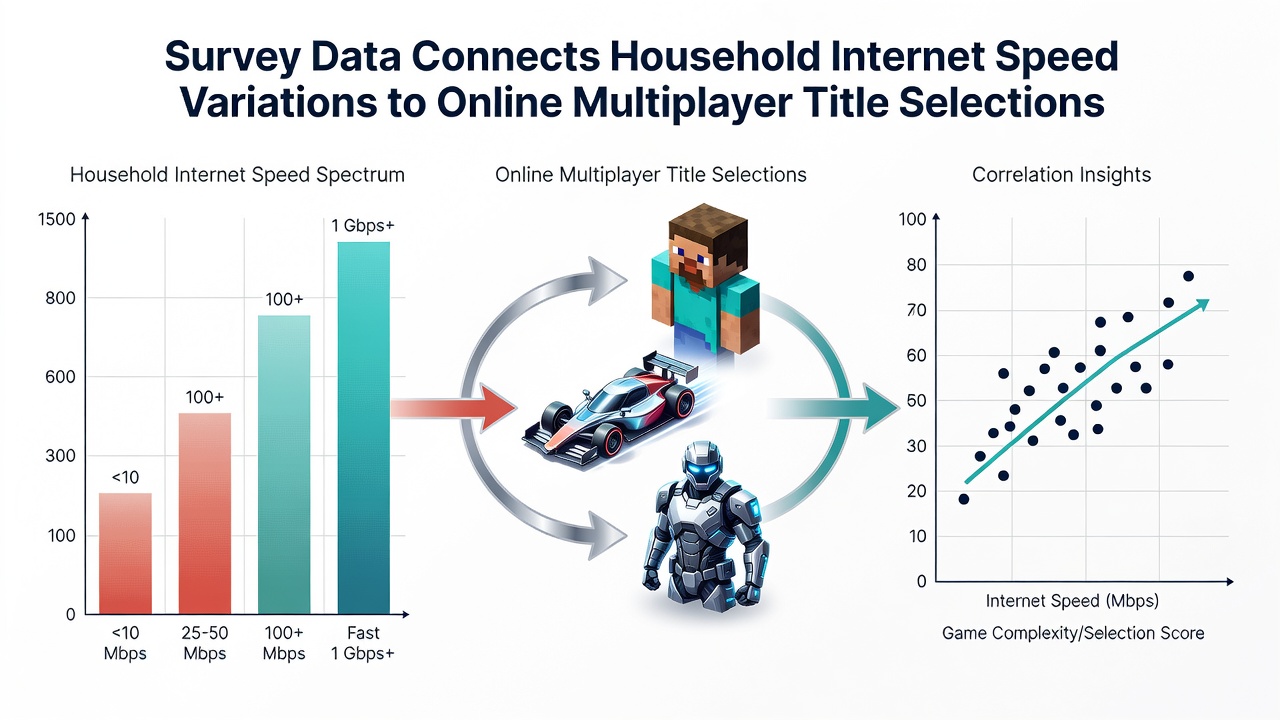
Payment records shared anonymously by participants further illustrated that microtransaction frequency rose alongside measured latency reductions. One cluster of households averaging 300 Mbps or higher completed an average of 4.2 in-game purchases per active month while the under-30 Mbps group averaged 1.8. These figures held steady even after controlling for household income levels reported in the initial questionnaire.
Platform and Title Clusters Emerge from Speed Data
Breakdowns by device type showed console users with fiber connections favoring cross-platform multiplayer titles that support large lobbies whereas PC players on cable modems leaned toward smaller-session competitive games. Mobile multiplayer selections appeared less sensitive to home internet speeds yet still reflected secondary device usage patterns when tablets connected through household Wi-Fi. Observers note that title libraries in faster homes expanded toward live-service games with ongoing content updates that reward stable connections.
According to Pew Research Center analysis of broadband and entertainment trends the share of multiplayer time spent in latency-sensitive genres climbed from 34 percent in 2025 to 41 percent among households upgrading to higher-tier plans during the first half of 2026. Parallel figures from the Canadian Radio-television and Telecommunications Commission broadband usage reports echoed these shifts across provinces where speed improvements coincided with measurable changes in game category rankings.
Longer-Term Patterns and Household Variables
Longitudinal tracking within the August 2026 dataset revealed that speed upgrades prompted measurable changes in title selections within six weeks for most households. Families that increased their average download rate by at least 75 Mbps added an average of 1.7 new multiplayer games to their active rotation compared with control groups that maintained prior speeds. Spending on downloadable content rose in tandem though the magnitude varied by platform ecosystem.
Additional variables such as number of simultaneous users and presence of wired versus wireless setups moderated some outcomes yet the primary speed correlations remained consistent across subgroups. Data aggregators emphasized that these relationships describe observed patterns rather than direct causation and they continue to monitor future waves of responses for stability.
Conclusion
The August 2026 surveys establish measurable ties between household internet performance metrics and both game genre selections and associated expenditures in online multiplayer environments. Faster connections align with preferences for competitive real-time titles and elevated spending on subscriptions and microtransactions while slower speeds correspond to different clusters of cooperative and turn-based options with more restrained purchasing. Continued data collection will clarify how these relationships evolve as infrastructure expands and new multiplayer formats appear.