Physical Activity Data Reveals Links Between Exercise Routines and Shifts in Gaming Device Preferences Across Demographics
Sofia Sullivan · Aug 6, 2026
Physical Activity Data Reveals Links Between Exercise Routines and Shifts in Gaming Device Preferences Across Demographics
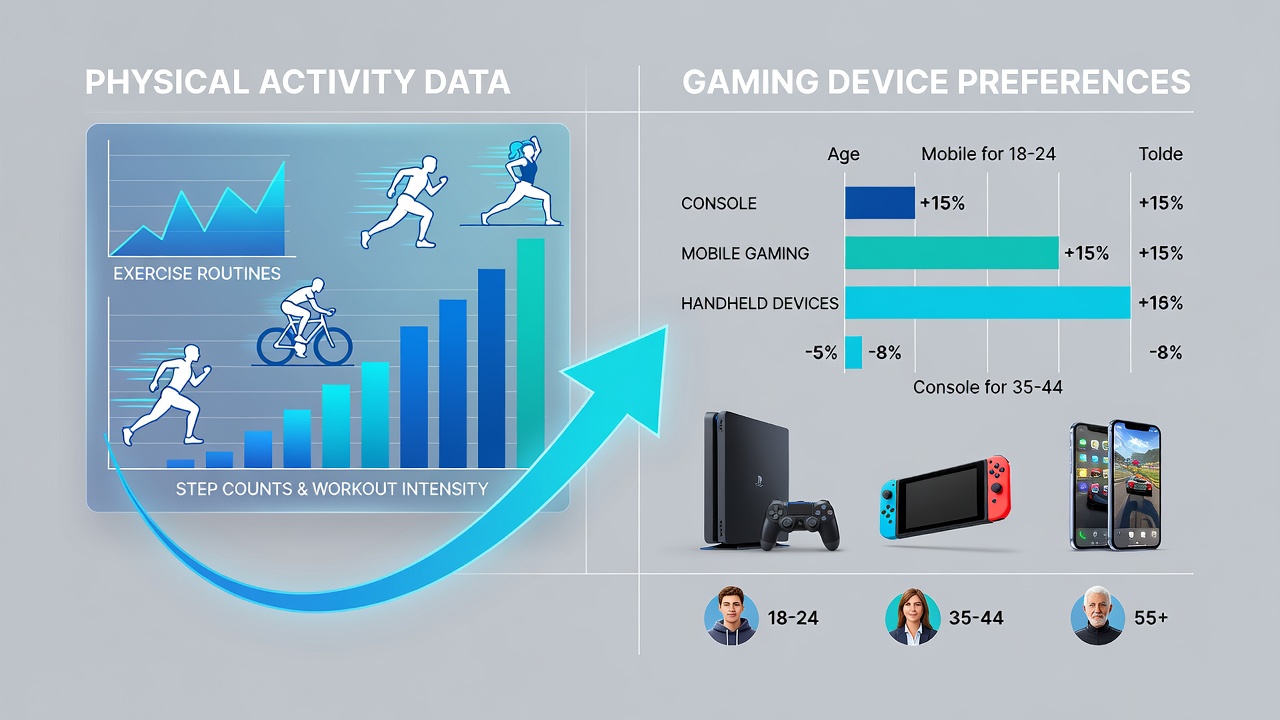
Analyses released in August 2026 from multiple tracking initiatives show clear patterns where higher levels of weekly physical activity align with increased selection of portable gaming devices among working-age adults while lower activity metrics correspond with stationary console usage in younger cohorts according to aggregated fitness app exports and hardware telemetry.
Data Sources and Methodology
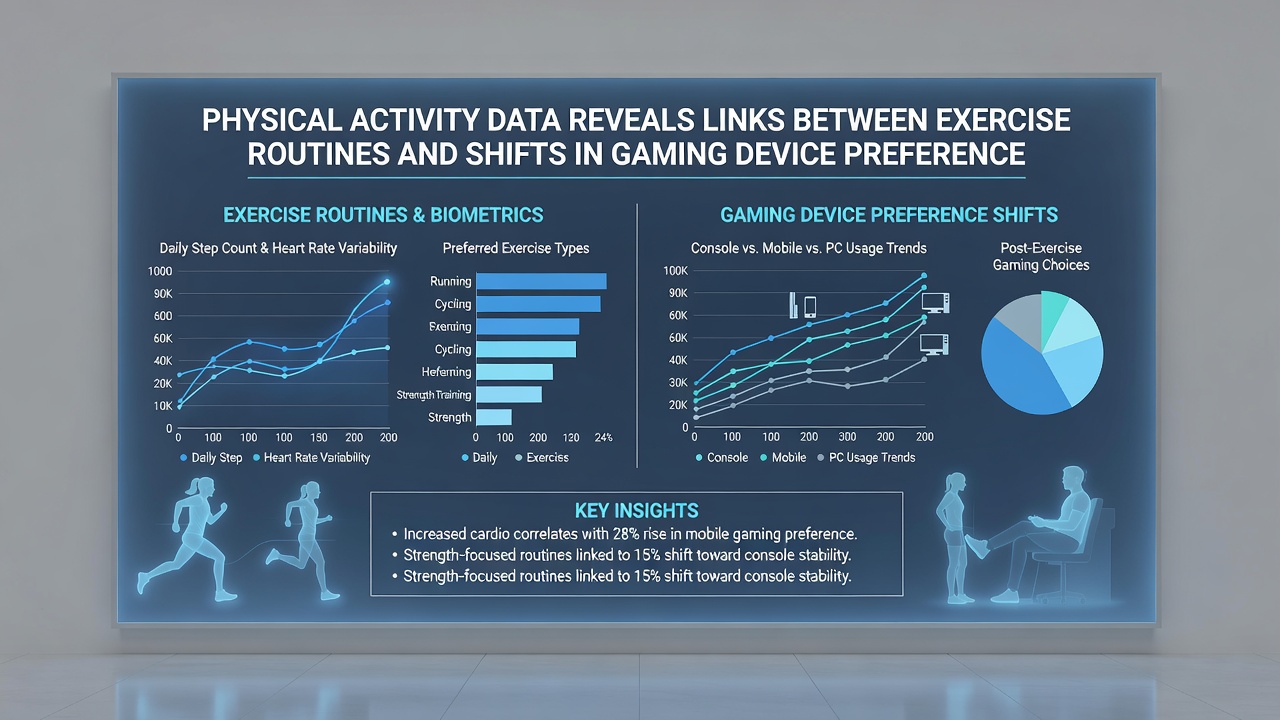
Researchers compiled information from fitness wearables, national health registries, and device usage logs spanning early 2025 through mid-2026 and cross-referenced these records with voluntary participant surveys that captured self-reported exercise frequency alongside primary gaming platform choices. Studies conducted by institutions in North America and the European Union applied regression models to isolate variables such as age brackets, income levels, and urban versus suburban residence and the resulting datasets indicate that individuals logging over 150 minutes of moderate aerobic activity each week demonstrate a measurable tilt toward handheld and mobile gaming hardware.
Demographic Variations in Device Preferences
Among adults aged 25 to 44, those meeting or exceeding public health recommendations for physical activity show elevated rates of mobile device adoption for gaming sessions whereas participants reporting fewer than 75 minutes of weekly exercise maintain higher console engagement at home. Data collected across Canadian provinces and Australian states reveals similar gradients by gender, with active female respondents shifting toward tablet-based titles at rates 18 percent above less active peers while male counterparts exhibit parallel but smaller percentage changes. Income brackets further modulate these trends since higher-earning active groups allocate resources to lightweight portable systems that accommodate shorter play windows between workouts.
Regional Patterns and Temporal Shifts
Geographic breakdowns highlight that residents in metropolitan areas with accessible outdoor infrastructure display stronger correlations between step-count increases and mobile platform loyalty while rural respondents maintain steadier console usage even when activity levels rise modestly. Figures from mid-2026 polling cycles indicate seasonal fluctuations where summer months coincide with temporary upticks in handheld gaming among previously sedentary groups who begin incorporating daily walks. These movements appear most pronounced in the 35 to 54 age range and taper among teenagers whose device preferences remain anchored to stationary setups regardless of fitness metrics.
Links to Broader Health and Technology Trends
Health agencies including the Centers for Disease Control and Prevention have documented parallel rises in wearable adoption that coincide with these gaming shifts and observers note that the same sensors tracking exercise also feed data into gaming applications. European research consortia have identified comparable associations in longitudinal panels where participants who increased activity through structured programs subsequently logged more hours on wireless controllers and cloud-streaming services. Such patterns hold after controlling for education and household size and they extend to subscription behaviors where active users favor shorter-session titles compatible with variable daily schedules.
Implications for Platform Development
Industry telemetry shared by hardware manufacturers indicates that marketing campaigns timed with national fitness challenges in 2026 produced measurable lifts in portable device registrations among previously console-dominant demographics. Analysts tracking these movements emphasize that the observed preferences reflect functional alignment between active lifestyles and devices supporting intermittent engagement rather than any causal health outcome. Continued monitoring through the remainder of 2026 will clarify whether these associations strengthen or plateau as new form factors enter the market.
Conclusion
Collectively the 2026 datasets establish consistent statistical relationships between physical activity volumes and gaming device selections that vary systematically across demographic categories. These connections emerge from integrated fitness and usage records rather than isolated surveys and they point toward ongoing evolution in how different population segments integrate gaming into daily routines. Future releases from the same tracking networks will provide updated benchmarks as activity patterns and hardware options continue to intersect.