From Boardrooms to Battlegrounds: Employment Sector Data Reveals Ties Between Career Demands and Genre Shifts in Platform Choices
Uma Schwarz · Jul 25, 2026
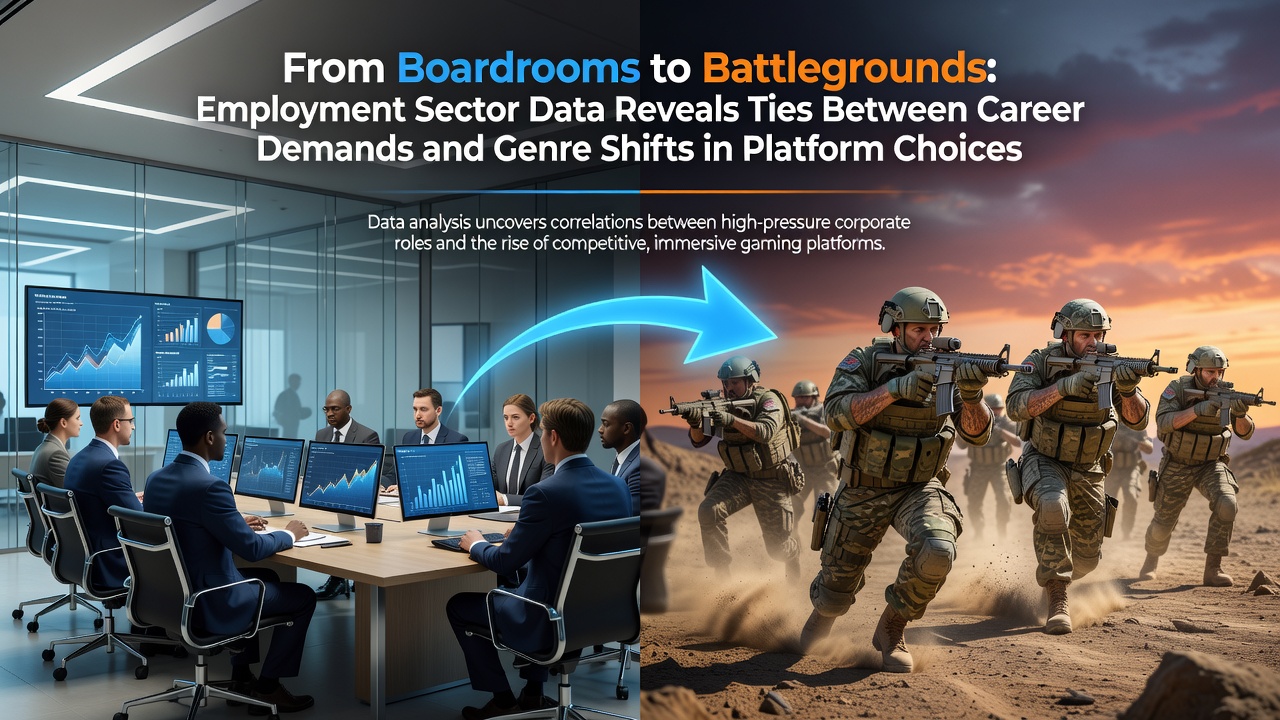
From Boardrooms to Battlegrounds: Employment Sector Data Reveals Ties Between Career Demands and Genre Shifts in Platform Choices
Employment data collected through mid-2026 highlights measurable connections between occupational demands and shifts in gaming platform selections along with genre preferences. Analysts tracking workforce patterns across sectors note that professionals in high-pressure corporate roles often adjust their entertainment choices based on daily workload intensity and schedule rigidity. Figures from labor statistics agencies indicate that managers and executives in finance and consulting fields report increased engagement with mobile platforms during brief downtime periods, while favoring simulation and strategy genres that align with structured thinking patterns developed through job requirements.
Corporate Roles and Platform Adjustments
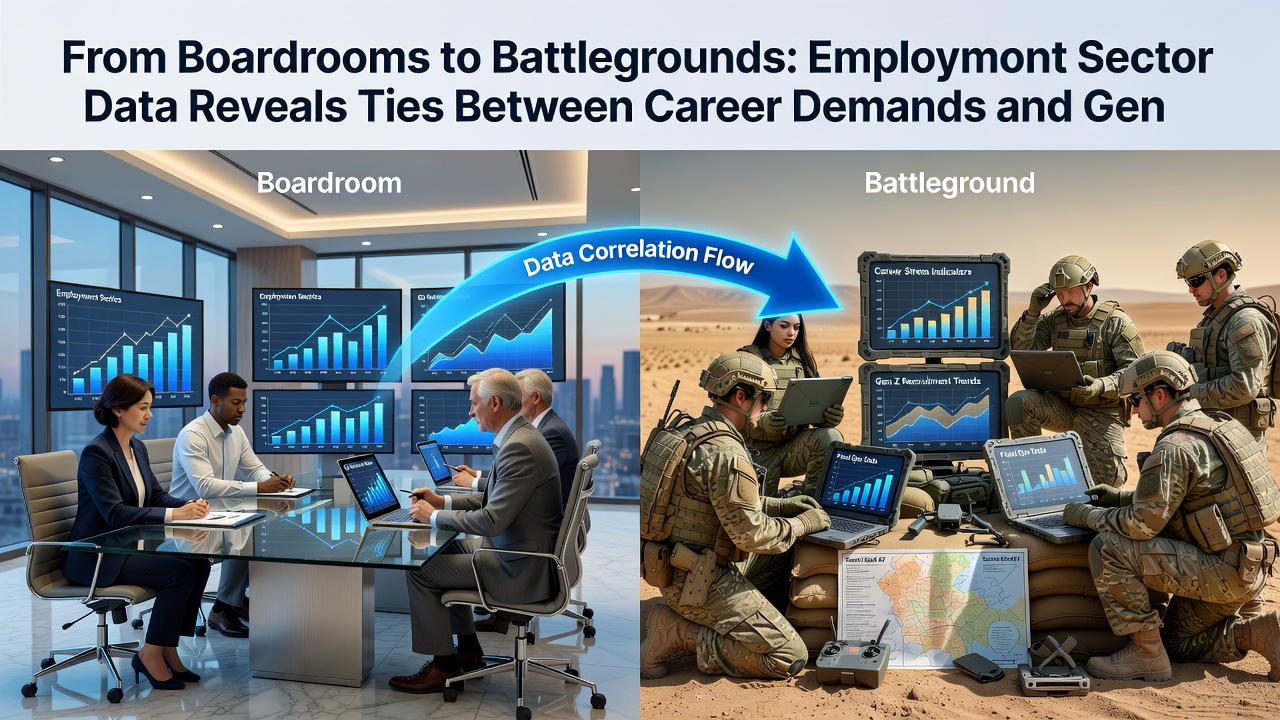
Data compiled from employment surveys shows that individuals in boardroom positions experience extended periods of decision-making fatigue, which correlates with preferences for portable devices over stationary consoles. Researchers examining these trends found that workers averaging more than 50 hours weekly in office settings demonstrate higher rates of switching to handheld and mobile options for shorter sessions. This pattern emerges consistently in sectors where remote collaboration tools dominate daily routines, leaving less time for dedicated gaming setups at home. Employment records from the Australian Bureau of Statistics further link these occupational groups to rising adoption of cloud-based gaming services that require minimal setup time between meetings.
Tech Sector Influences on Genre Selection
Professionals in software development and information technology fields display distinct shifts toward narrative-driven genres on PC platforms, according to aggregated industry response data. Long coding sessions appear to influence selections of exploratory and puzzle-based titles that provide mental decompression without additional cognitive strain. Observers tracking these behaviors through 2026 note that hybrid work arrangements in tech companies coincide with increased use of multi-device ecosystems, allowing seamless transitions between work laptops and personal gaming hardware. Employment metrics reveal that this group maintains steady engagement with online multiplayer formats during off-peak hours, yet prioritizes single-player experiences on weekends when recovery from project deadlines takes precedence.
Healthcare and Education Workforce Patterns
Shift-based demands in healthcare professions connect to preferences for quick-access console gaming during irregular breaks, while educators show stronger alignment with casual simulation genres on tablets. Labor market analyses indicate that nurses and medical technicians working extended rotations report higher utilization of subscription services for immediate content access rather than long-term ownership models. In parallel, teaching staff facing seasonal workload spikes demonstrate measurable increases in platform diversification, often incorporating mobile titles during commute windows. These sector-specific trends appear in cross-referenced datasets that pair occupational classifications with self-reported gaming logs collected through July 2026.
Financial Services and Time Allocation Data
Banking and investment professionals exhibit ties between deadline-driven environments and selections of competitive yet contained game modes on dedicated hardware. Employment sector reports reveal that traders and analysts allocate shorter but more frequent play intervals compared to other white-collar groups, favoring genres with clear progression systems that fit between market hours. Data indicates reduced emphasis on expansive open-world titles in favor of streamlined experiences that accommodate variable availability. Such patterns hold across multiple regions where financial sector employment density remains elevated.
Cross-Sector Comparisons in 2026
Comparative studies of employment categories demonstrate that administrative support roles maintain steadier platform loyalty toward traditional consoles, whereas entrepreneurial sectors display more fluid shifts between devices based on travel frequency and client demands. Government statistical agencies in Canada and the European Union have documented these divergences through workforce surveys that incorporate entertainment behavior modules. The resulting datasets show consistent correlations between job autonomy levels and willingness to experiment with emerging platform technologies during leisure periods.
Conclusion
Employment sector information continues to provide valuable context for understanding how occupational structures intersect with entertainment platform and genre decisions. Patterns observed through mid-2026 underscore the role of daily professional pressures in shaping accessible gaming options across diverse career paths. Ongoing data collection from labor and industry sources supports further examination of these intersections without reliance on individual anecdotes.